
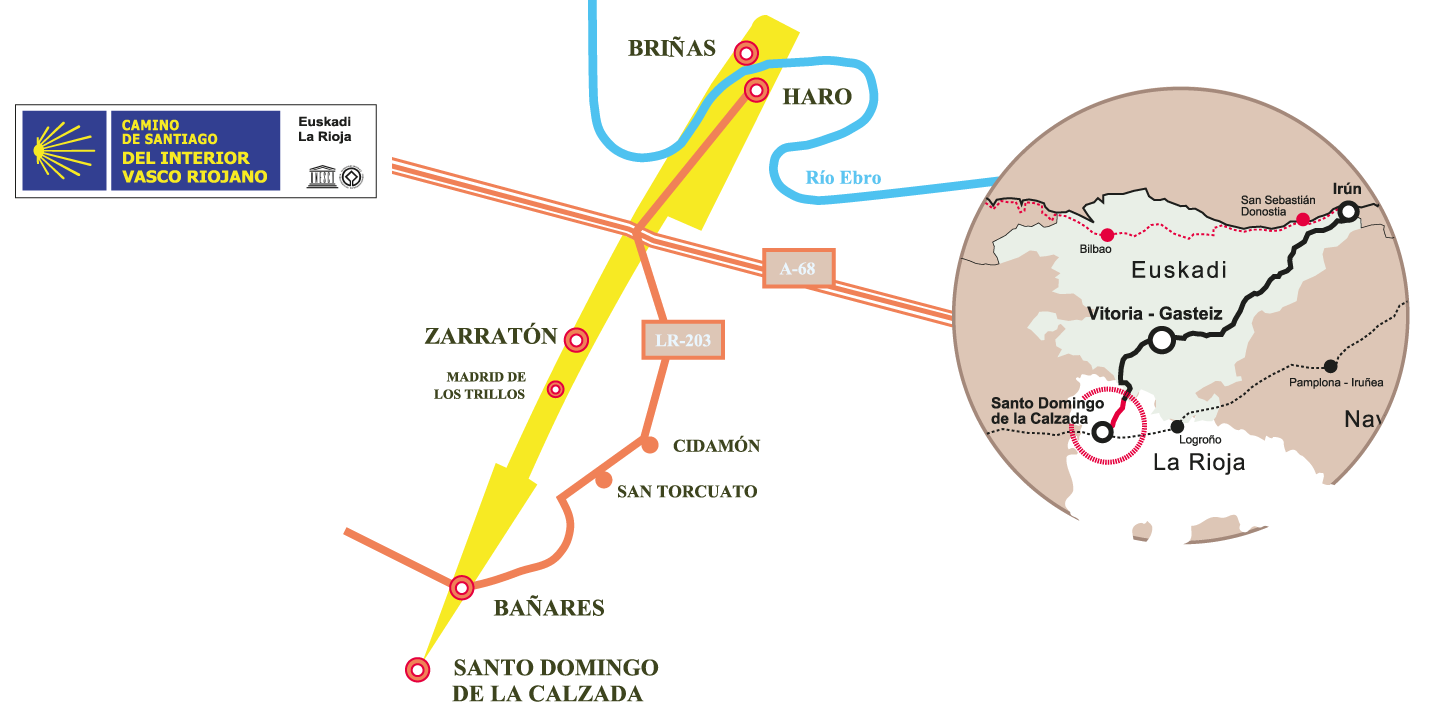
BRIÑAS / HARO /ZARRATÓN / CIDAMÓN / SAN TORCUATO / BAÑARES / STO DOMINGO
BRI
ÑAS
LA ASUNCIÓN CHURCH:
16th century ashlar stone with a four-bodied tower, octagonal spire and sun door with images, surrounded by a parapet including an arched staircase.
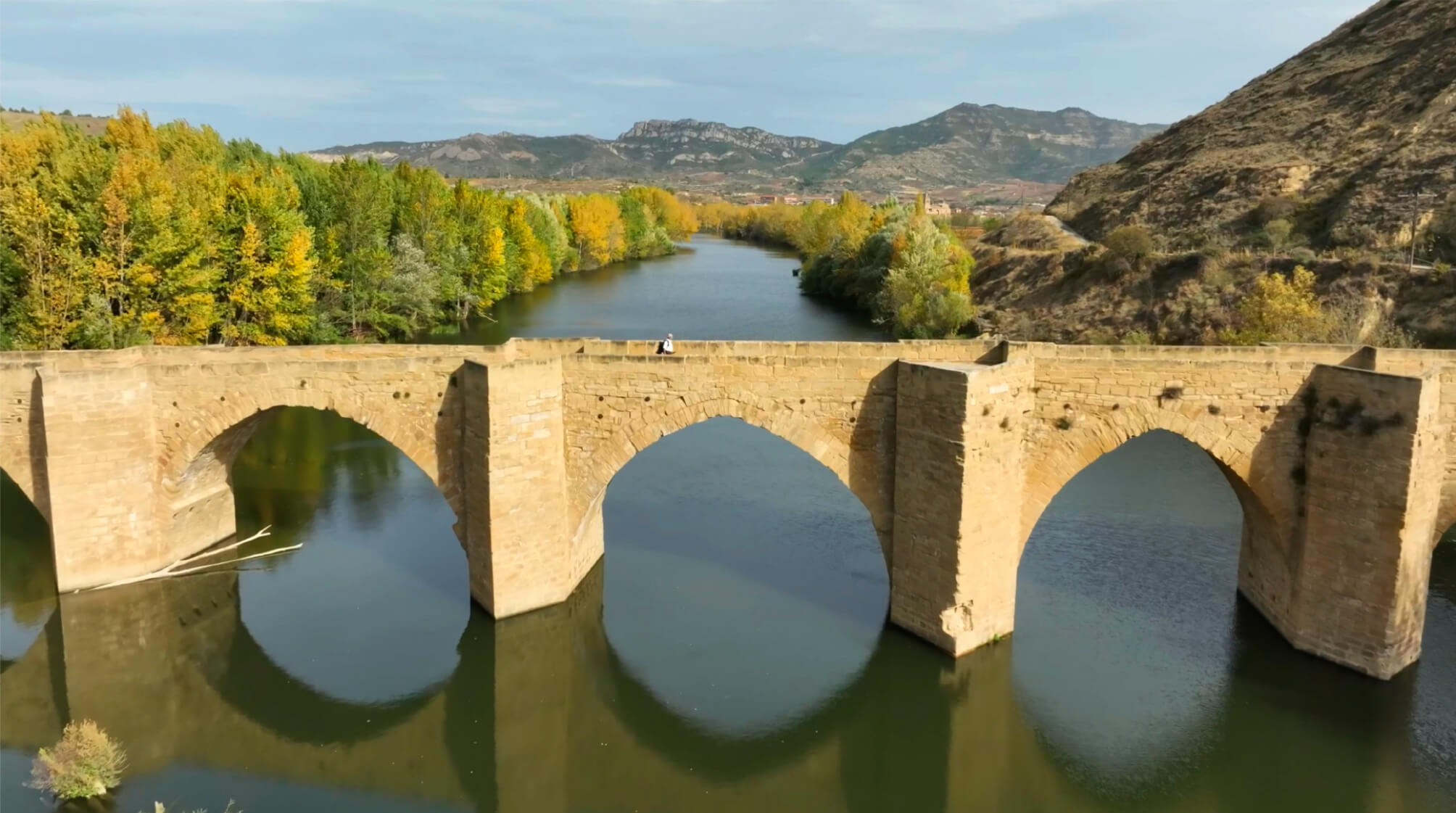
BRIDGE:
Thick pillars, four Gothic pointed arches from the 13th century and three semicircular arches reformed in the 17th century.
A walk along the banks of the river, with a beautiful jetty and a long row of poplar trees will take you to the bridge.
FESTIVITIES:
San Isidro, 15 May, blessing of the fields. Corpus Christi, altars. La Asunción, 14-15 August. San Cornelio and San Cipriano, 16 September.
The landscape, marked by the junction of the Toloño and Obarenes mountain ranges, in the “Conchas de Haro”, is the “Riscos de Bilibio”, where the hermitage and the statue of the patron saint, San Felices, are located.
From the medieval walls of the 13th century remains the tower, called "Torre de Presos" (Prisoners' Tower) - today a museum of contemporary art.
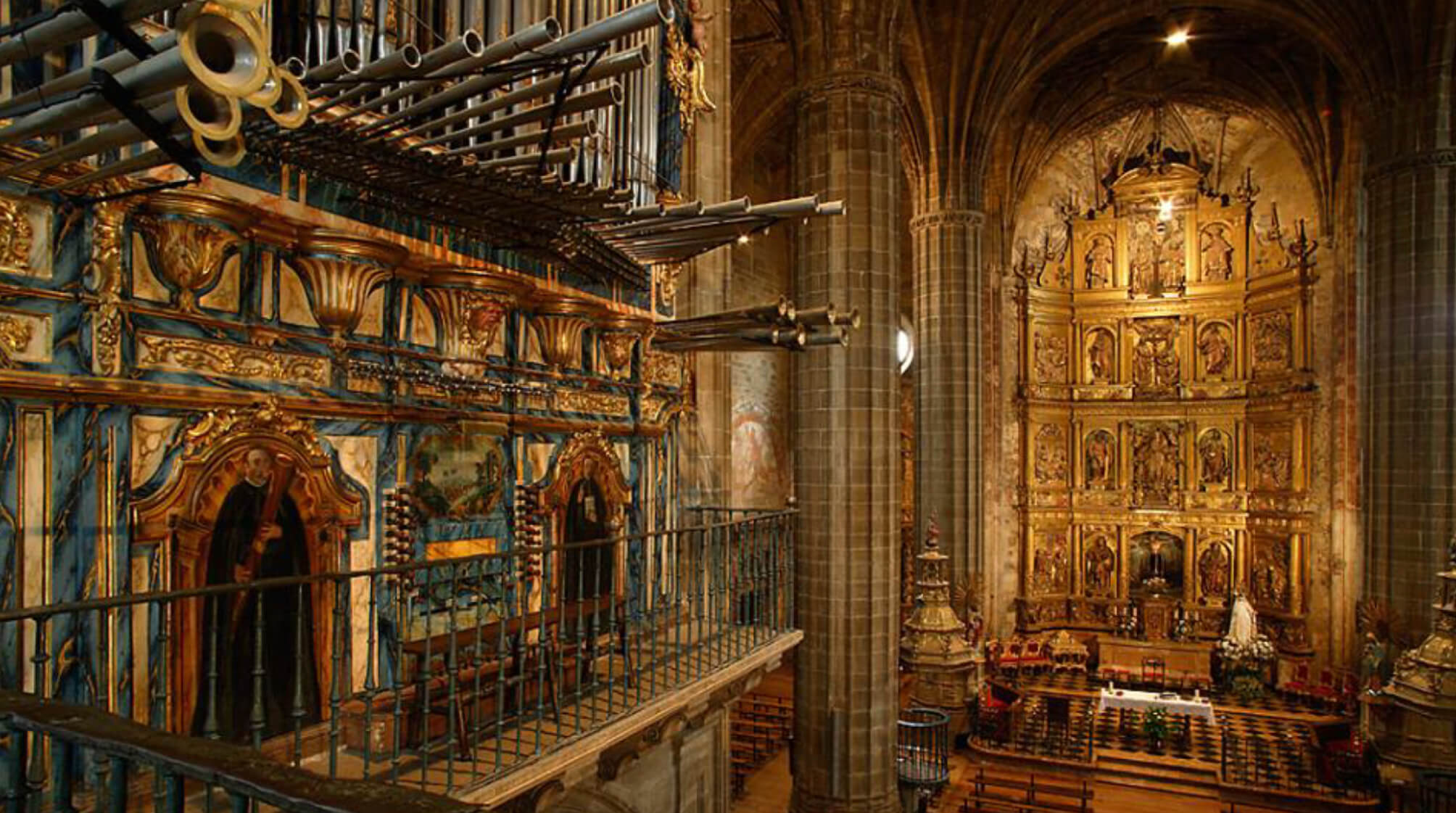
SANTO TOMÁS CHURCH:
Four styles: Gothic Florid Temple, Plateresque Front, Churrigueresque Altarpiece and Baroque-Riojan Tower. Unique with 8 images overlooking his place of birth or life. Baroque organ.
BASILICA DE LA VEGA:
In the 10th century, the original building was outside the walls of the town. It was extended in 1703 in the Baroque style with a groin vault over semicircular arches. The 14th century Gothic image of the Virgen de la Vega is on the altarpiece.
Two great natural areas for you to take a rest would be : Fuente del Moro, and Parque Félix Rodríguez de La Fuente.
FESTIVITIES:
“Turning of the Page” on the Bilibio cliffs, first Sunday in January. San Antonio Abad, third Sunday in January, blessing of animals in the church square and raffle of the "pig". Santa Águeda, 5th February, "preñaos" (buns) of chorizo sausage. Carnival, Thursday before Ash Wednesday, parades, competitions and burial of the sardine. Easter, procession of antique floats. San Juan, 24 June, hot chocolate at dawn. San Felices, 25th June, procession of the patron saint. San Pedro, 29 June, pilgrimage and Wine Battle on the Bilibio cliffs. Santa Marta, 29th July, festivities of the hotel and catering trade. First Sunday in September, pilgrimage to Bilibio. Virgen de la Vega, 8-14 September, sumptuous rosary of lanterns, offering of flowers and first must.
HA
RO
ZARRA
TON
Called Town of the 7 Hermitages (one in each neighbourhood): Ntra. Sra. de la Esclavitud, San Andrés, San Blas, San Lázaro, San Martin, San Miguel and Santiago, and of the 7 dances, one of them La Morenita, 15th century, the oldest in La Rioja.
CHURCH OF THE ASSUMPTION:
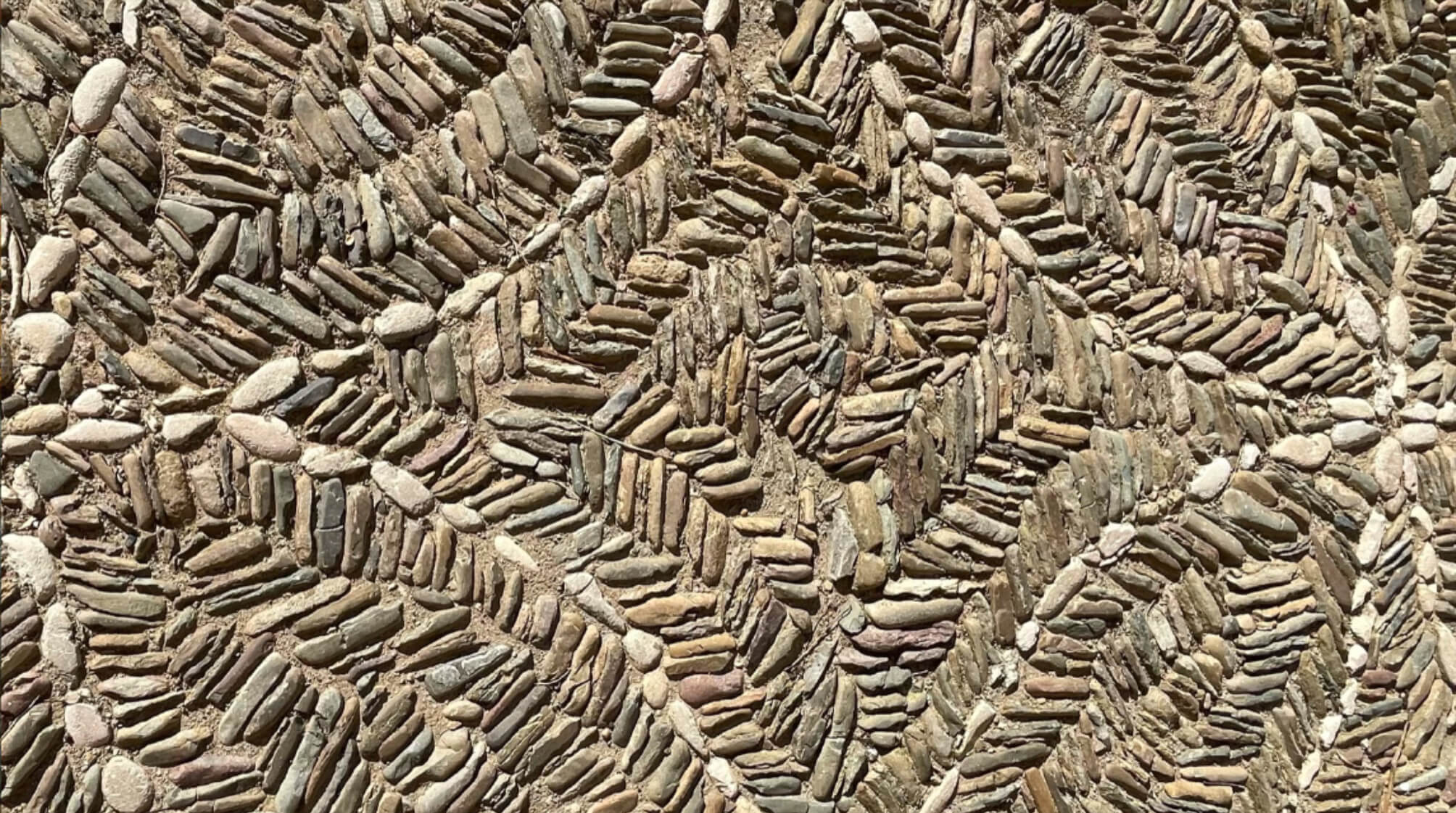
Interesting cobbled path. Built in different stages between the 12th and 16th centuries by the stonemason Martin Ruiz de Alda. Nave in five sections. Magnificent image of San Roque dressed as a pilgrim.
The possession of a relic of San Blas caused pilgrims on their way to Santiago to stop off here.
FESTIVITIES:
San Blas, 3 February, blessed cake and muscatel, dance of "La Morenita". La Asunción, 15th August, and San Roque, 16th August, dance. Artisans and Crafts. Iron crafting and blacksmiths.
In 1456 the seventh convent of the Franciscan order was founded, receiving the name of Nuestra Señora de los Ángeles. A century later it was transferred to Santo Domingo.
CHURCH OF NUESTRA SEÑORA DE LOS ÁNGELES:
16th century chevet and the rest from the 18th century. Single nave and a quadrangular chancel with four recesses, semicircular arches, groin vault and lunette covering the nave, 17th century Rococo altarpiece.
ERMITA DE LA VIRGEN DEL BUEN SUCESO:
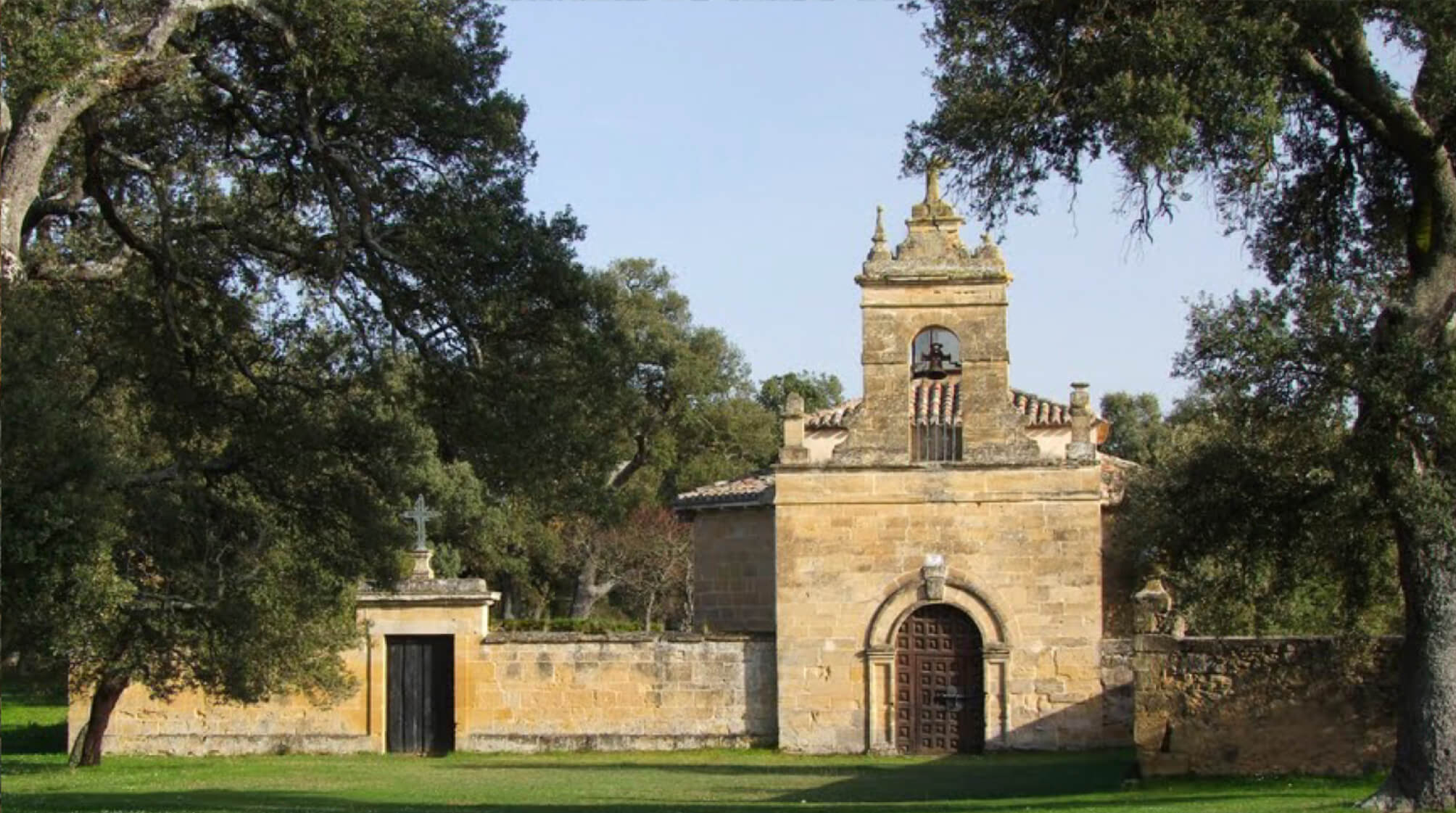
One kilometre away in the centre of a field dotted with holm oaks, we find this 17th century Baroque building. A masonry fountain from 1796 surrounded by trees, plants and wild mushrooms, forming a dense mantle of vegetation.
CIDA
MÓN
SAN
TORCUATO
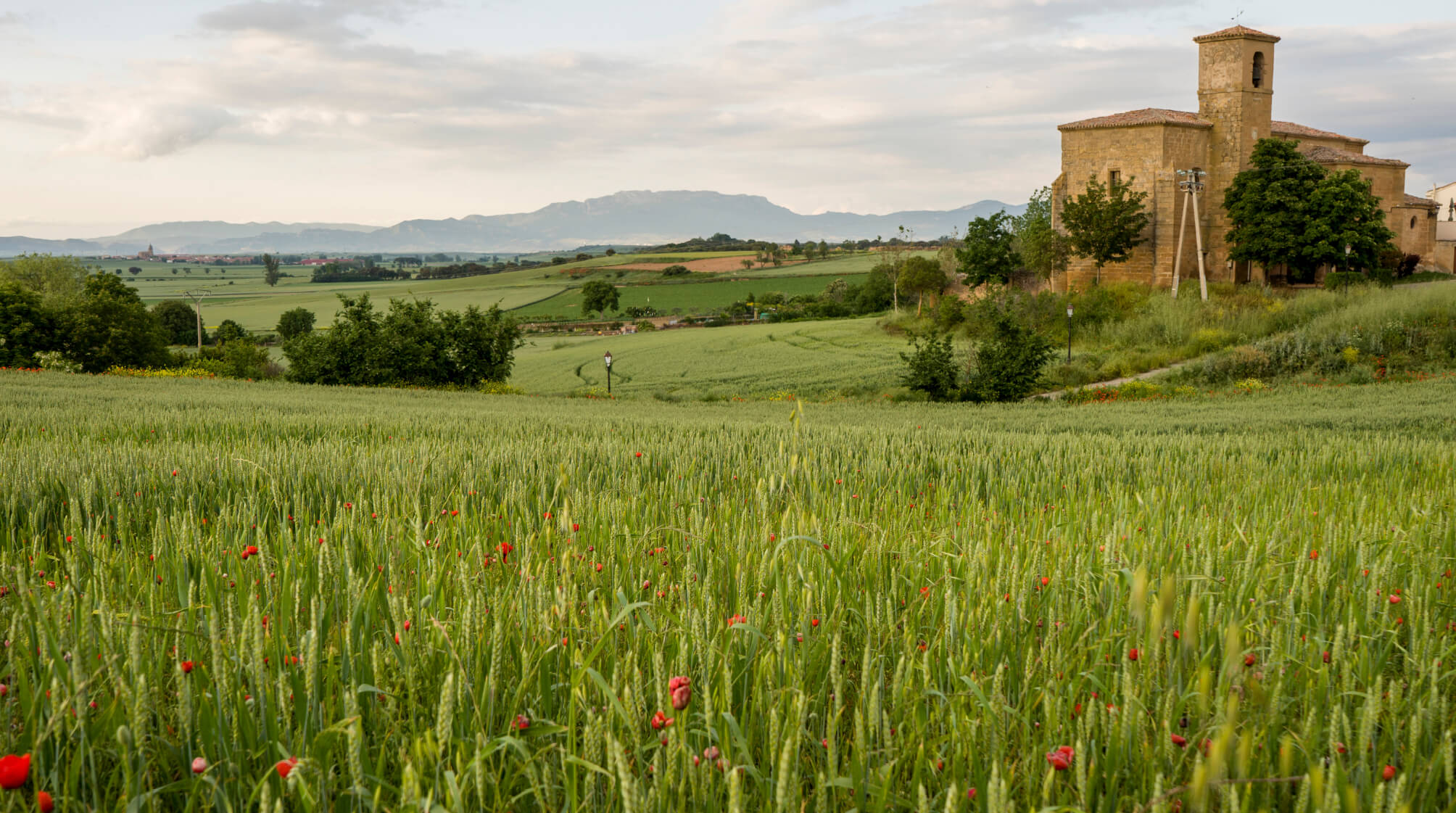
Dense vegetation for walks. Until the 16th century it was known as Villaporquera in allusion to wild boar hunting. The first documented mention of the village is in 1137 and in 1164 the estate was donated to San Millán de la Cogolla.
CHURCH OF SAN PABLO:
Renaissance from the 15th and 16th centuries. Two-section nave, transept and rectangular chancel, high choir at the foot with stone balustrade as a tracery. Retablo de Santiago del Amo XVIII, zócalo, cuerpo de tres calles y ático, policromado. The saint is Torcuato de Acci, the first of the 7 apostolic men who evangelised Baetica in the 1st century.
In 1075 the Kings of Nájera donate the Monastery of Santa María de Zaldo de Bañares to the Monastery of San Millán. Cervantes dedicated (among others) Don Quixote to the Count of Bañares.
CHURCH OF SANTA CRUZ:
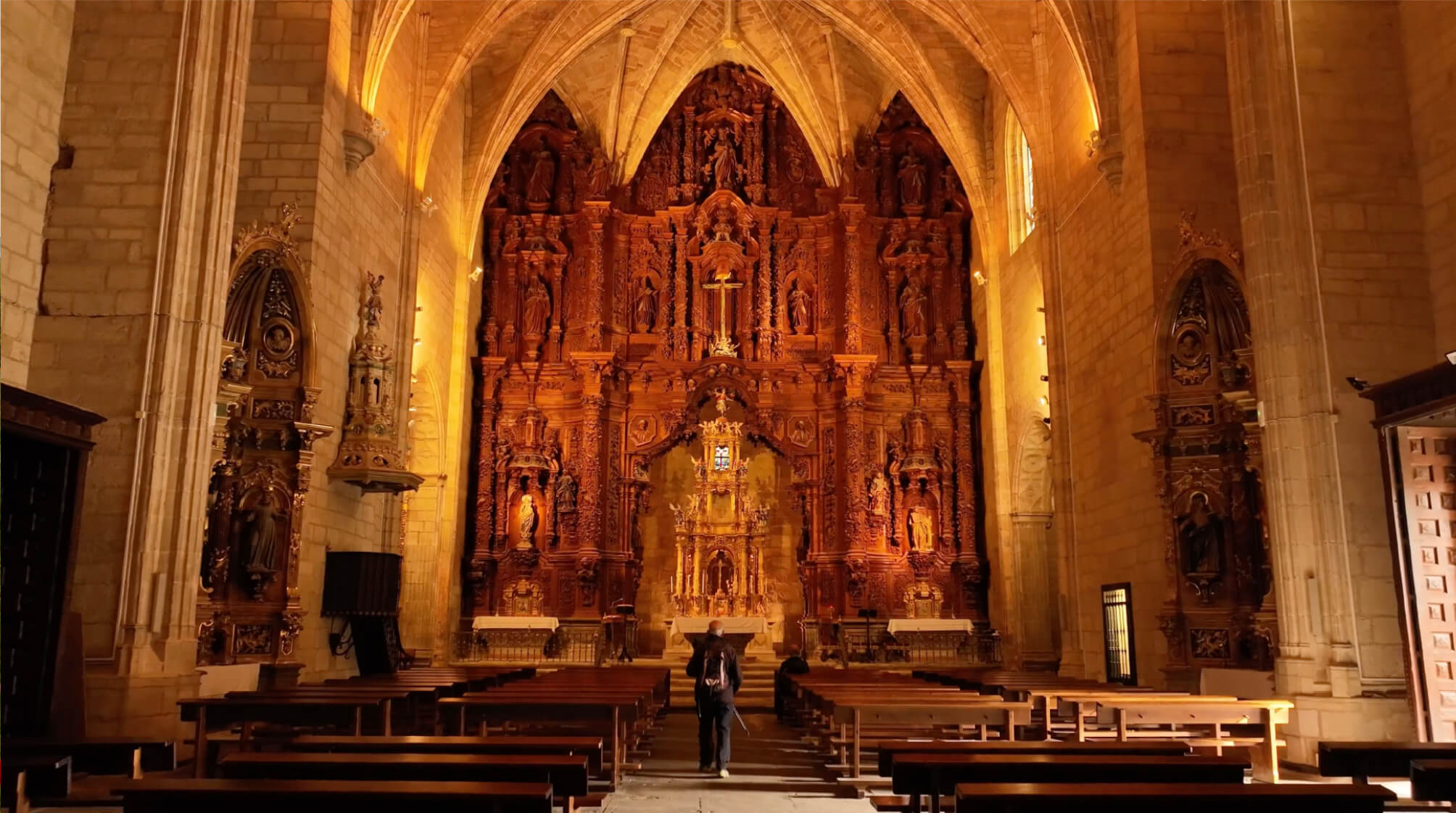
Gothic 1490 / 1510. A nave with a flat chancel, majestic and of great simplicity. At the foot of the church stands the tower. Eighteenth century organ.
ERMITA DE LA SANTA CRUZ:
It was the old Parish Church of the Holy Cross, a jewel of Romanesque art from the 12th century. En la puerta, podemos contemplar una magnífica forja original.
You can take a break in the rest area Parque de La Salceda, a green area with tables, barbecues and a campsite, and the Humedal de los Terrenos marsh.
After leaving Bañares, we will continue on to finish in Santo Domingo de la Calzada, a 25.00 km stage, where our Camino joins the well-known French Route (Roncesvalles-Santiago).
FESTIVITIES:
San Antonio Abad, 17 January, raffle of pigs to benefit the Hospital del Santo. San Marcos, 25th April, procession of the maidens and the Saint's bread (on the 25th April the bagpipes and drums are played). San Felipe y Santiago, 1 May, distribution of bread and parades of the Saint until the 12th. Santo Domingo: 10-15 May, procession of the bread and the pilgrim - the maidens carry the bread on their heads, procession of the Wheel, the Maidens, "almuerzo del Santo" (lunch of the Saint), feast of the Little Saint. San Eduardo, 13 October, commemoration of the hanged man or the rooster and the hen. Feast of the Immaculate Conception, 8 December, mediaeval market on the Camino.
BAÑA
RES
STO
DOMINGO
Before being a town, we were a path. A city born to be a pilgrim's rest.
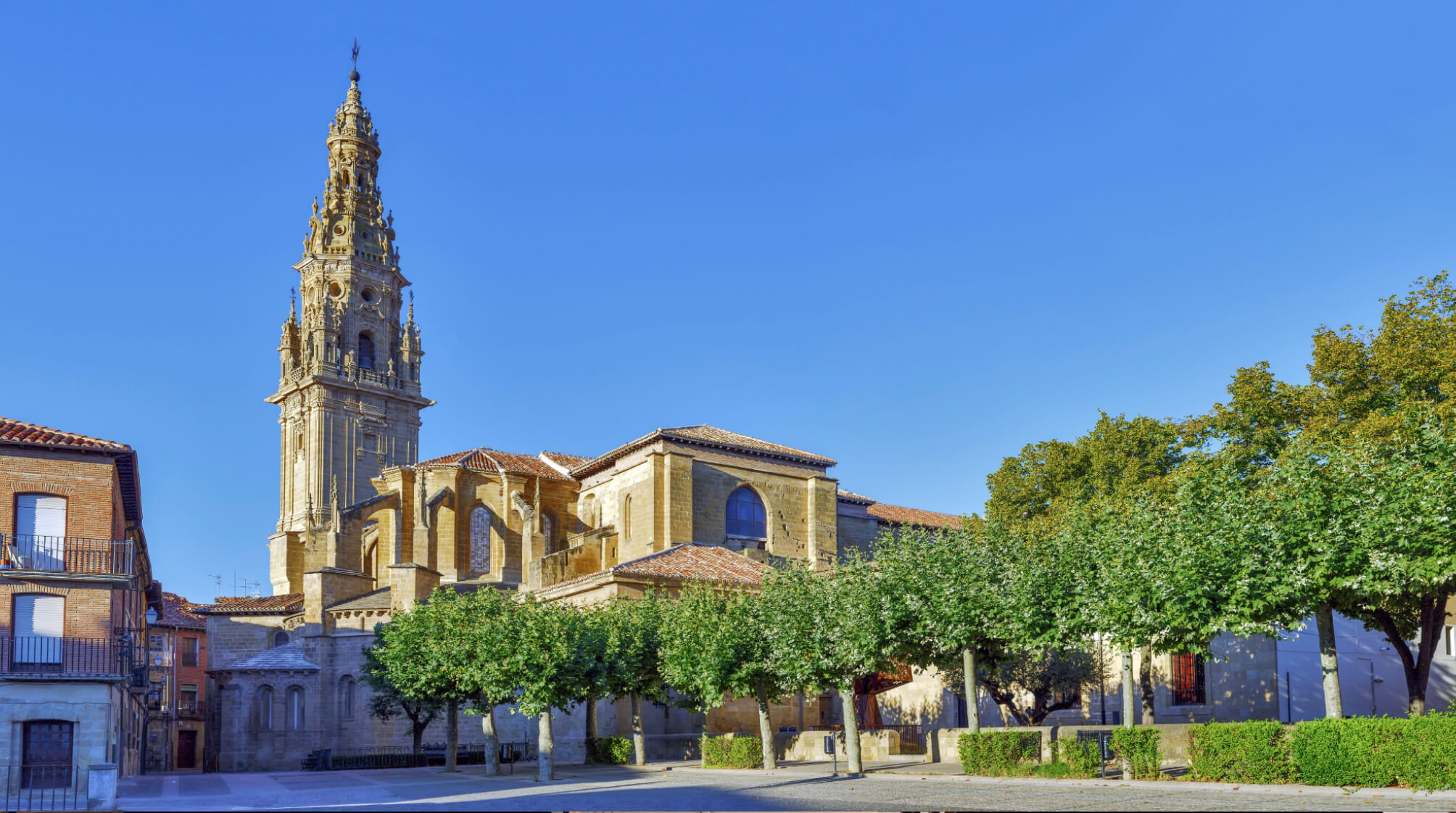
CATHEDRAL OF EL SALVADOR:
In the year 1158, work began on the church that housed the remains of the saint. Inside, the most striking feature is the 15th century Gothic chicken pen
where a cockerel and hen live in memory of the miracle of the hanged pilgrim.
THE FOUR HERMITAGES
Ermita de Nuestra Señora de la Plaza
Ermita de la Mesa del Santo
Ermita del Puente
Ermita de la Virgen de las Abejas Finally, you can take a stroll along
our streets full of stories.